 MARCELO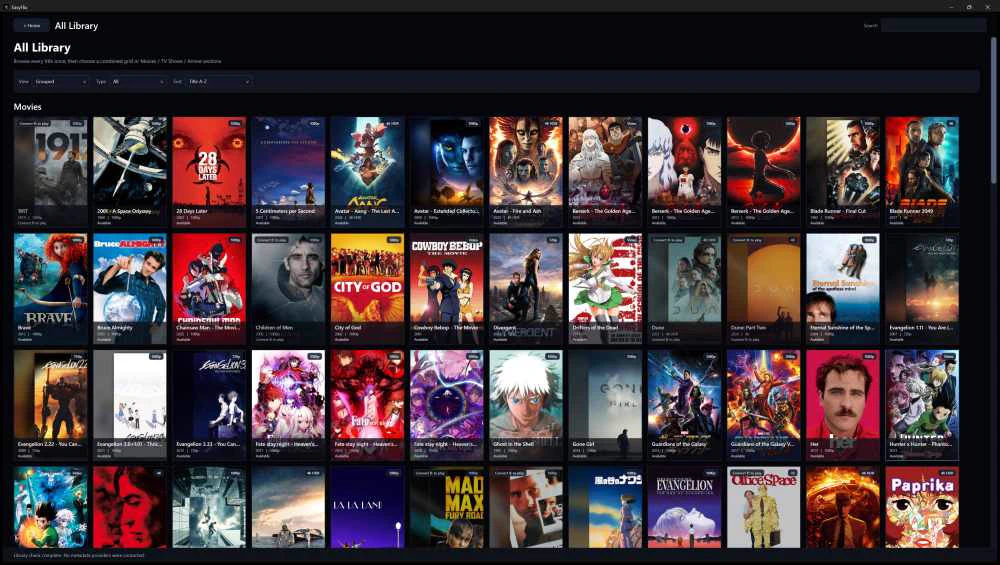
Start with reality.
I prefer problems with imperfect inputs, awkward constraints and a reason for the software to exist beyond the demo.
I turn real-world friction into software that earns trust.
A hands-on builder working across local AI, Windows diagnostics, automation, computer vision and data. My projects begin with something I genuinely want to understand, fix or make easier.
Selected work
Shipped systems, active engineering work and smaller focused tools are separated clearly so the state of each project is obvious.
Core products
CrashScope, EasyFlix and RevDev are the strongest expression of the portfolio's current engineering work, so they get the clearest visual treatment and the most direct path into their case studies.
A privacy-first Windows crash-diagnostics system with a native WPF/WebView2 desktop shell that correlates hardware telemetry with Event Log, WER and persistent incident evidence without pretending correlation proves root cause.
Built after repeated game, GPU and workload failures made it obvious how fragmented useful Windows diagnostic evidence can be.A polished local-first Windows media library for legally acquired movies, TV and anime, with multi-drive discovery, watch-state continuity, metadata and subtitle workflows, and a streaming-style WPF interface.
Built around a simple constraint from my own media library: make what is already on disk feel great without rearranging or risking the source files.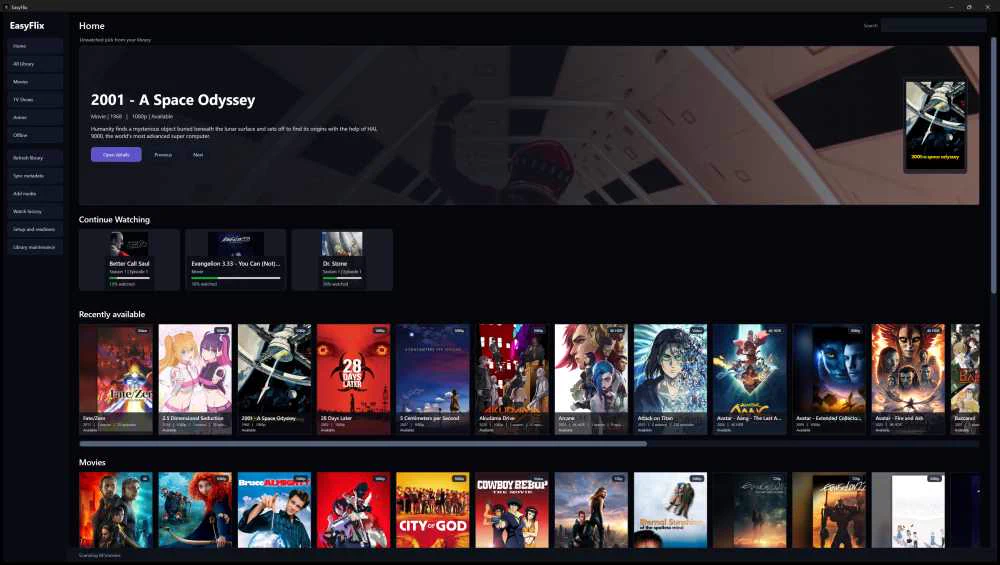
A native Windows control surface for durable multi-project AI-assisted development via Dev Relay, with guarded execution, deterministic project state, a five-tool hub, failure learning and local-first validation.
Built to keep long-running AI-assisted engineering work visible and resumable across projects, chats and model boundaries without handing execution authority to the UI.Flagship systems
The deepest case studies: products with substantial architecture, validation and real-world use behind them.
Focused projects
Compact projects that show interface craft or a focused technical idea without pretending to be flagship systems.
A compact desktop clock experiment in browser rendering, typography and lightweight Rainmeter integration.
A tiny utility I wanted on my own desktop became an exercise in measuring overhead, packaging cleanly and resisting unnecessary runtime complexity.View focused project ↗A compact C#/.NET integrity utility for streaming SHA-256, deterministic directory manifests and precise mismatch reporting, with both CLI and WPF interfaces.
Built to make “is this exactly the artifact I tested?” answerable with deterministic evidence rather than filenames or assumptions.Open focused project ↗A lightweight Go utility that records DNS, TCP and HTTP reachability, classifies micro-outages, preserves CSV evidence and analyzes recovery windows.
Built after intermittent mobile-tether failures were too brief and inconsistent for ordinary “is the internet working?” tests to explain.Open focused project ↗A Rust configuration-change tracer with deterministic snapshots, semantic field diffs, privacy-aware redaction and an event-driven JSONL journal.
Built as a standalone low-overhead evidence provider that can also integrate cleanly with CrashScope without binding CrashScope to Rust internals.Open focused project ↗About Marcelo
I came into software through years of electrical work and international customer-facing roles, then started building the tools I wished existed. That background is why the projects here care so much about real constraints, failure modes, evidence and maintainability.
Read the professional profile ↗Open to work
I am looking for remote-friendly teams where practical debugging, software reliability, clear communication and the ability to learn quickly matter. The case studies above show the work; these links make the next step easy.
Most of these projects began the same way: I got curious, then annoyed that the tool I wanted didn’t exist.
How I work
I prefer problems with imperfect inputs, awkward constraints and a reason for the software to exist beyond the demo.
I care about provenance, explicit uncertainty and systems that can explain why they produced a result.
Unexpected cases become tests, architecture decisions and better boundaries rather than something to hide from the portfolio.